
 Phone:
  Email:
  WhatsApp:
 Description
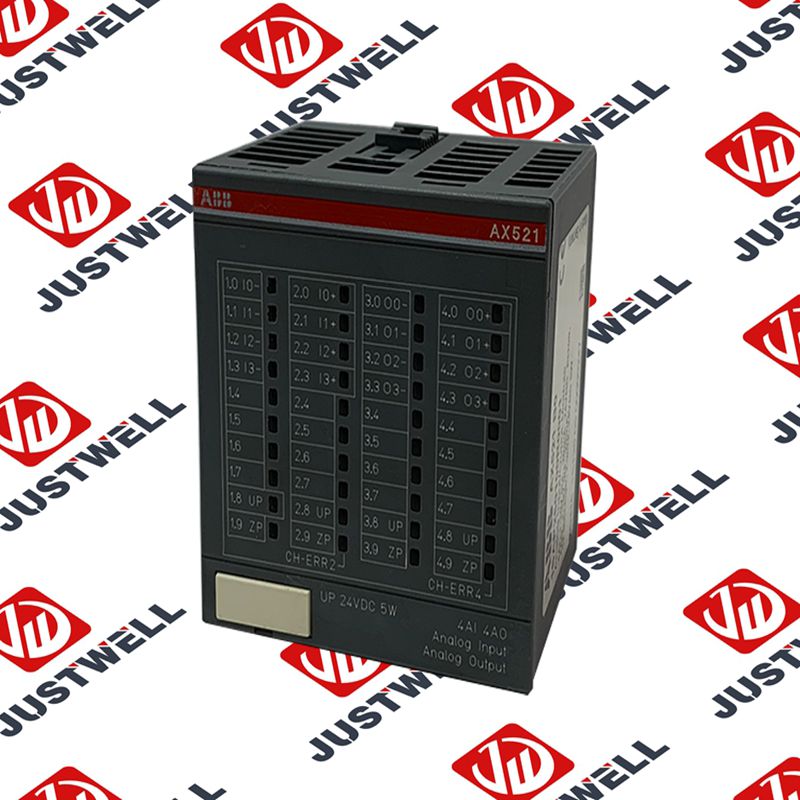
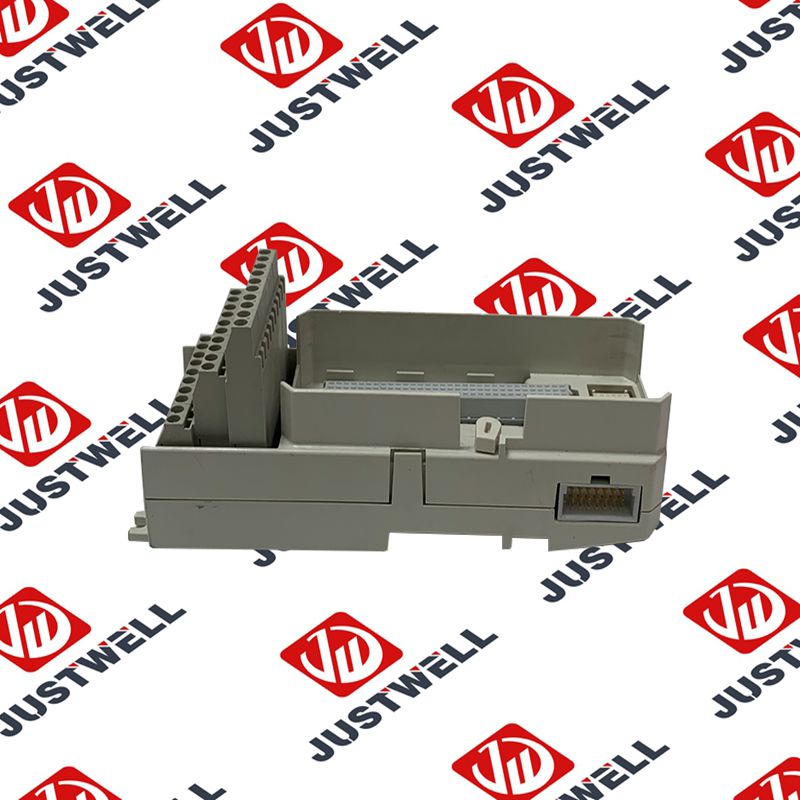
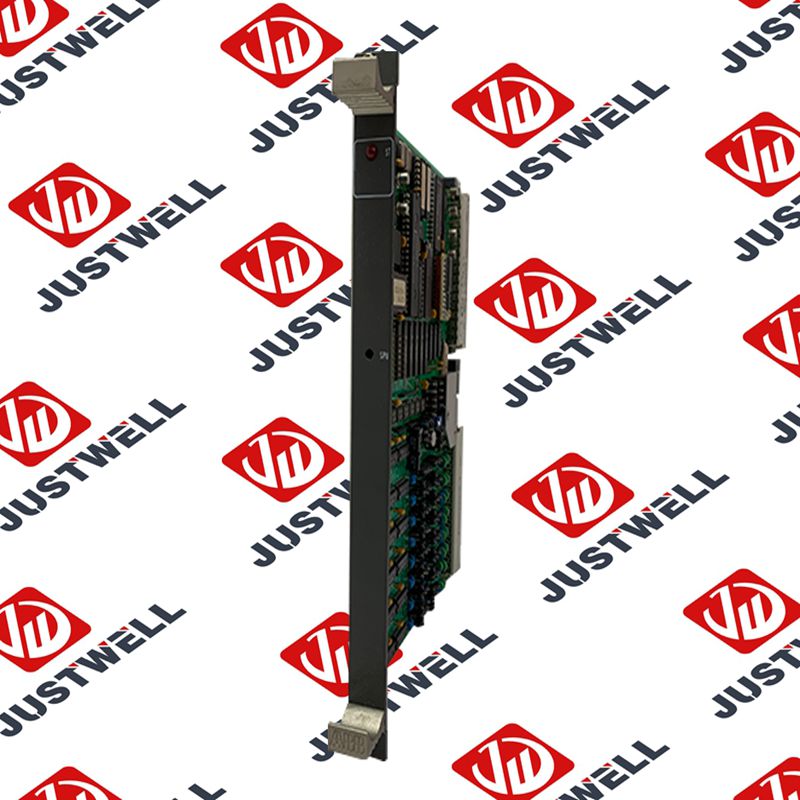
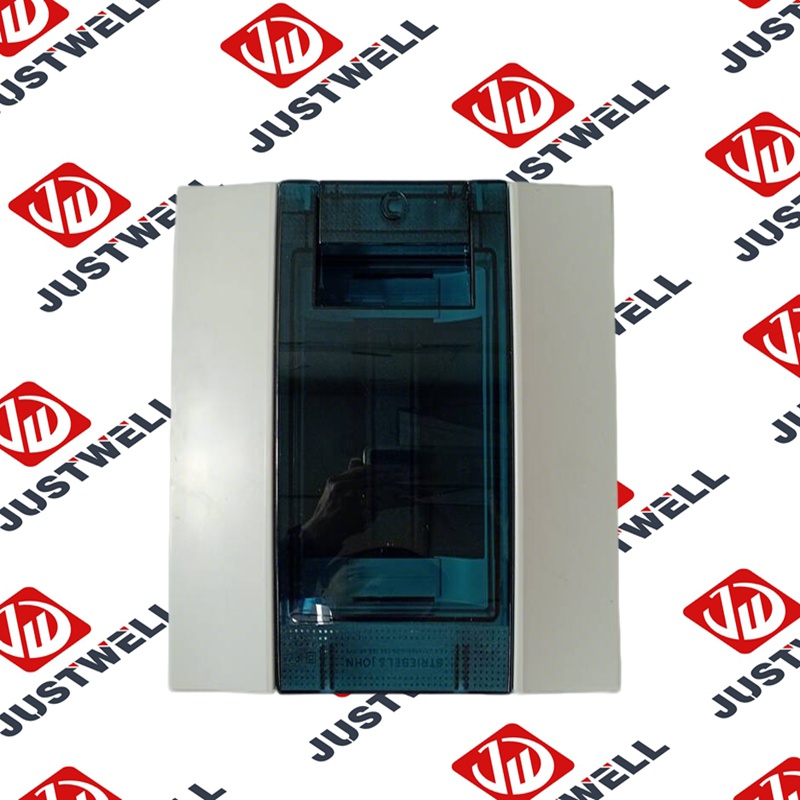
69038352D ABB Interface module
Product Dimensions:
Product Description
The ABB interface module acts as a critical signal conditioner and bridge between disparate hardware components within an industrial automation system. Its primary role is to ensure compatibility between different voltage levels, signal types, or communication protocols. By isolating, converting, or amplifying signals, the module ensures that data and control commands are transmitted reliably between field devices, local controllers, and higher-level supervisory networks.
Product Parameters
Interface modules are designed with high electrical versatility and ruggedness. Key parameters include:
- Signal Conversion Capability: Ability to bridge different signal standards, including varying DC/AC voltage levels, current loop standards, and logical state translations.
- Electrical Isolation: High-level galvanic isolation (optical or transformer-based) to decouple circuits, effectively preventing ground loops and protecting sensitive control hardware from field-side voltage surges.
- Response Time: Engineered for minimal signal propagation delay to maintain the deterministic requirements of fast-acting control loops.
- Environmental Specifications: Robust design to withstand industrial conditions, including high vibration, electromagnetic interference (EMI), and significant thermal fluctuations.
- Connectivity Options: Support for standardized wiring interfaces and pluggable terminal blocks for quick installation and reliable physical connection.
- Diagnostic Features: Onboard indicators and status signaling to communicate the health of the connection and the integrity of the signal being processed.
Product Advantages
These modules are essential for ensuring seamless system integration and operational stability:
- Signal Integrity: Advanced filtering and conditioning protect the signal from environmental noise, ensuring the controller receives accurate, high-fidelity data.
- Enhanced Safety: By providing electrical isolation, the module prevents potential faults from propagating from the field level to the core control processor, protecting expensive assets.
- System Flexibility: Allows for the integration of legacy field equipment with modern control platforms, extending the lifecycle of existing infrastructure.
- Simplified Troubleshooting: Built-in diagnostic features enable rapid identification of signal loss or interface faults, minimizing unplanned system downtime.
- Space-Efficiency: High-density designs facilitate compact cabinet layouts, allowing for complex signal management within limited mounting space.
Important Considerations and Precautions
To ensure the reliability of the signal interface, the following precautions should be observed:
- Compatibility Verification: Before installation, verify that the module’s input/output voltage and current ratings precisely match both the source field device and the destination controller.
- Grounding Protocols: Adhere to strict grounding practices to maximize the effectiveness of galvanic isolation and prevent noise-related errors.
- Wiring Integrity: Use appropriate wire cross-sections and shielded cabling to ensure that the electrical signal does not degrade or pick up interference during transmission.
- Thermal Management: Ensure sufficient clearance around the interface module to prevent heat buildup, as high temperatures can impact the performance of signal conditioning components.
- Regular Inspection: Periodically check the mechanical integrity of terminal connections and signal integrity, especially in environments prone to high vibration.
Product Applications
ABB interface modules are utilized in any application where signal conversion or protection is required:
- Field Device Integration: Connecting heterogeneous sensors or actuators that operate on different electrical standards to a centralized control system.
- Electrical Noise Suppression: Mitigating interference in environments with heavy electrical equipment, such as motors or high-power drives, where sensitive control signals are at risk.
- Safety System Interfacing: Enabling the safe transmission of logic signals within emergency shutdown or safety-instrumented systems where galvanic separation is mandatory.
- Remote Signal Transmission: Facilitating the long-distance transmission of analog or digital signals between distributed process areas and the main control room.
- System Retrofitting: Providing the necessary translation layer to allow modern controllers to interact with older field hardware during facility modernization projects.
Shipping Port: Xiamen, China
Payment: Bank of Chicago, Bank of Singapore
Express cooperation: fedex, DHL, UPS and your express account
Service: Professional Sales provides 24 hours /7 days online service
Please make an inquiry for more models:
| SD834 | ABB | EI813F | ABB |
| CI810B | ABB | AM801F | ABB |
| TB810 | ABB | SD812F | ABB |
| TK811V050 | ABB | AM811F | ABB |
| TB842 | ABB | TK802F | ABB |
| TB40A | ABB | PM803F | ABB |
| AO845A | ABB | FI820F | ABB |
| AO801 | ABB | FI810F | ABB |
| DI801 | ABB | EI803F | ABB |
| DO801 | ABB | SA801F | ABB |
| DI811 | ABB | SA811F | ABB |
| AI810 | ABB | SB808F | ABB |
| AI830A | ABB | FI830F | ABB |
| DP840 | ABB | SD802F | ABB |
| AO845A | ABB | AM895F | ABB |
| AI835A | ABB | SY809F | ABB |
| DO810 | ABB | EI812F | ABB |
| TB820V2 | ABB | EI811F | ABB |
| AO810V2 | ABB | RLM01 | ABB |
| AI820 | ABB | PM902F | ABB |
| DI821 | ABB | CI930F | ABB |
| AO820 | ABB | CP430B | ABB |
| DO802 | ABB | CP430T | ABB |
| CI801 | ABB | CP450T | ABB |
| DI810 | ABB | CP450T-ETH | ABB |
| AI845 | ABB | CP620 | ABB |
| AI801 | ABB | 07KT95 | ABB |
| DI803 | ABB | 07CR41 | ABB |
| DI802 | ABB | 07DC92 | ABB |
| TB40A | ABB | 07DI92 | ABB |
| CI840A | ABB | XI16E1 | ABB |
| TB825 | ABB | 07KP53 | ABB |
| BC810K02 | ABB | 07AI91 | ABB |
| PM866K02 | ABB | 3BSE018168R1 | ABB |
| PM861AK02 | ABB | 07KT98 | ABB |
| TB852 | ABB | 1SAP520100R0001 | ABB |
| PM851AK01 | ABB | GJR5252800R0100 | ABB |