
 Phone:
  Email:
  WhatsApp:
 Description
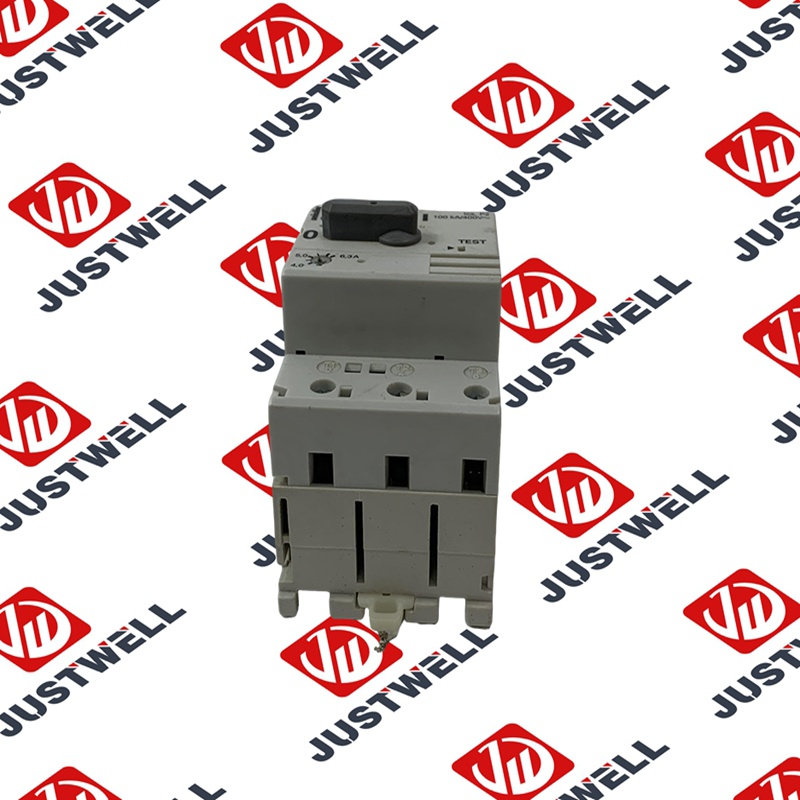
ACSM1-M-MU-E1 ABB Interface module
Product Dimensions:
Product Description
ABB interface modules are engineered to bridge the gap between various control system components, such as linking field sensors to a PLC, connecting different communication networks, or converting signals between varying electrical standards.
- Function: Enables seamless interoperability by translating data formats, protocols, and signal levels, allowing for a unified communication structure across complex automation environments.
- Connectivity: Supports a wide variety of industrial interfaces, including serial connections, fieldbus protocols, and Ethernet-based networking.
- Architecture: Features robust internal processing to handle protocol translation in real-time without introducing significant latency.
- Modularity: Designed for standardized installation within control cabinets, providing a scalable solution for integrating legacy equipment with modern control systems.
Product Parameters
Specifications for these modules focus on connectivity, compatibility, and data handling:
| Parameter | Description |
| Protocol Compatibility | Support for major industry-standard industrial Ethernet or fieldbus protocols. |
| Data Throughput | The volume of data the module can process per unit of time. |
| Latency | The delay introduced by the translation or routing process. |
| Electrical Interface | Physical ports for communication, such as RJ45, RS-485, or DB9. |
| Isolation | Galvanic isolation of communication ports to protect against electrical noise and ground loops. |
| Mounting | Standardized form factors for DIN-rail or rack-mount integration. |
| Diagnostics | Real-time status indicators (LEDs) for link activity, power, and error reporting. |
Product Advantages
- Interoperability: Allows diverse equipment—even from different generations or manufacturers—to communicate as part of a single, integrated system.
- System Flexibility: Enables easy expansion or modification of an automation system without requiring a complete overhaul of the existing network infrastructure.
- Reduced Downtime: Quick-swap designs and simplified integration allow for rapid system recovery during maintenance or hardware upgrades.
- Data Transparency: Provides a consistent data stream, making it easier to monitor process health and perform diagnostics across the entire facility.
- Improved Performance: Minimizes data bottlenecks by optimizing communication traffic and ensuring efficient packet handling between network segments.
- Investment Protection: Extends the lifecycle of legacy hardware by allowing it to remain functional within upgraded, modern network environments.
Precautions
- Protocol Configuration: Carefully verify all communication settings (such as baud rate, parity, node addresses, and protocol versions) to ensure successful handshaking between devices.
- Shielding and Grounding: Use high-quality shielded cabling for all communication lines to prevent electromagnetic interference (EMI) from corrupting the data stream.
- Firmware Consistency: Ensure that firmware updates are managed systematically to maintain compatibility across all linked devices.
- Thermal Environment: Like other control modules, ensure proper airflow and cabinet temperature management to prevent performance degradation or heat-related failures.
- Termination: Always ensure correct line termination (e.g., 120Ω resistors) for serial buses to prevent signal reflection and data errors.
- Security: As a central communication point, the module should be protected against unauthorized access to the network through appropriate firewall or access control settings.
Product Applications
Interface modules are deployed wherever integration is required:
- Protocol Conversion: Linking subsystems that use different communication languages to a centralized supervisory controller.
- Network Bridging: Connecting local field networks to plant-wide Ethernet backbones or cloud-based data platforms.
- Legacy System Integration: Enabling older machinery to send data to modern industrial control systems (ICS).
- Remote I/O Management: Serving as the gateway for distributed I/O blocks located far from the main controller.
- Data Concentrator: Aggregating data from multiple intelligent field instruments into a single, efficient communication channel for the central processor.
Shipping Port: Xiamen, China
Payment: Bank of Chicago, Bank of Singapore
Express cooperation: fedex, DHL, UPS and your express account
Service: Professional Sales provides 24 hours /7 days online service
Please make an inquiry for more models:
| SD834 | ABB | EI813F | ABB |
| CI810B | ABB | AM801F | ABB |
| TB810 | ABB | SD812F | ABB |
| TK811V050 | ABB | AM811F | ABB |
| TB842 | ABB | TK802F | ABB |
| TB40A | ABB | PM803F | ABB |
| AO845A | ABB | FI820F | ABB |
| AO801 | ABB | FI810F | ABB |
| DI801 | ABB | EI803F | ABB |
| DO801 | ABB | SA801F | ABB |
| DI811 | ABB | SA811F | ABB |
| AI810 | ABB | SB808F | ABB |
| AI830A | ABB | FI830F | ABB |
| DP840 | ABB | SD802F | ABB |
| AO845A | ABB | AM895F | ABB |
| AI835A | ABB | SY809F | ABB |
| DO810 | ABB | EI812F | ABB |
| TB820V2 | ABB | EI811F | ABB |
| AO810V2 | ABB | RLM01 | ABB |
| AI820 | ABB | PM902F | ABB |
| DI821 | ABB | CI930F | ABB |
| AO820 | ABB | CP430B | ABB |
| DO802 | ABB | CP430T | ABB |
| CI801 | ABB | CP450T | ABB |
| DI810 | ABB | CP450T-ETH | ABB |
| AI845 | ABB | CP620 | ABB |
| AI801 | ABB | 07KT95 | ABB |
| DI803 | ABB | 07CR41 | ABB |
| DI802 | ABB | 07DC92 | ABB |
| TB40A | ABB | 07DI92 | ABB |
| CI840A | ABB | XI16E1 | ABB |
| TB825 | ABB | 07KP53 | ABB |
| BC810K02 | ABB | 07AI91 | ABB |
| PM866K02 | ABB | 3BSE018168R1 | ABB |
| PM861AK02 | ABB | 07KT98 | ABB |
| TB852 | ABB | 1SAP520100R0001 | ABB |
| PM851AK01 | ABB | GJR5252800R0100 | ABB |