
 Phone:
  Email:
  WhatsApp:
 Description
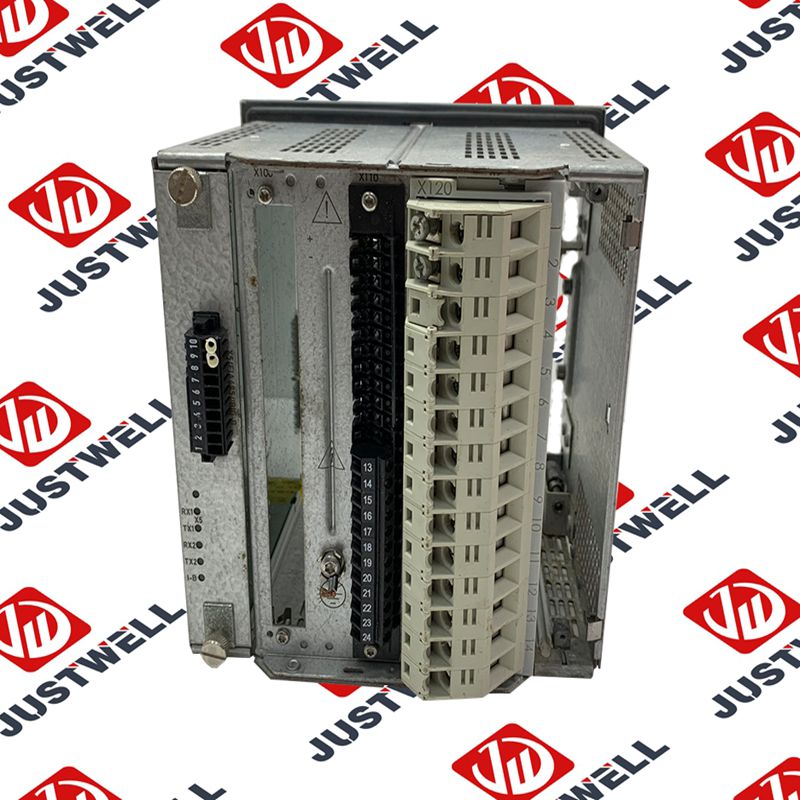
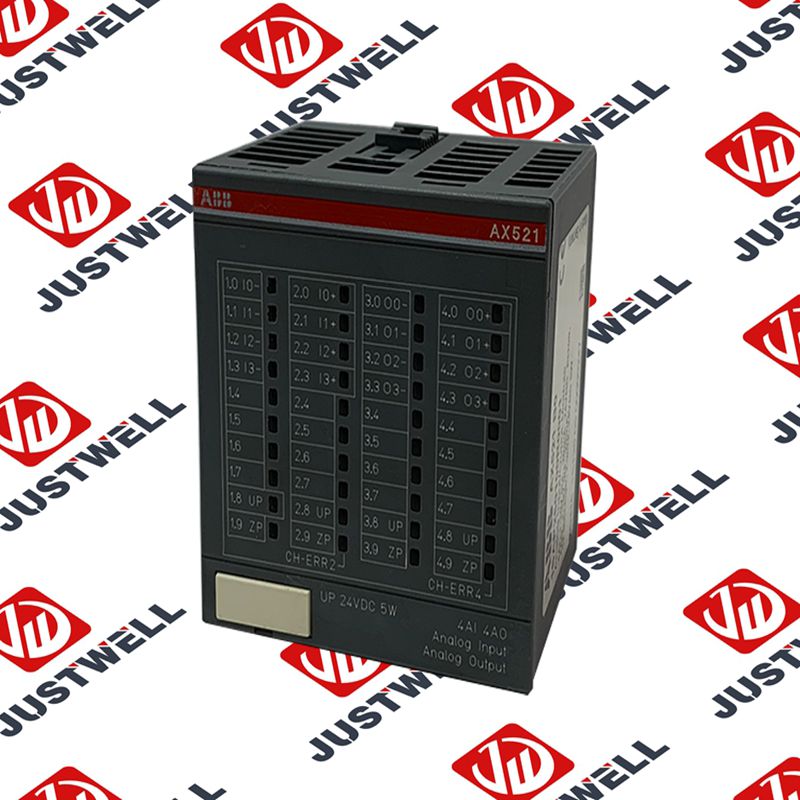
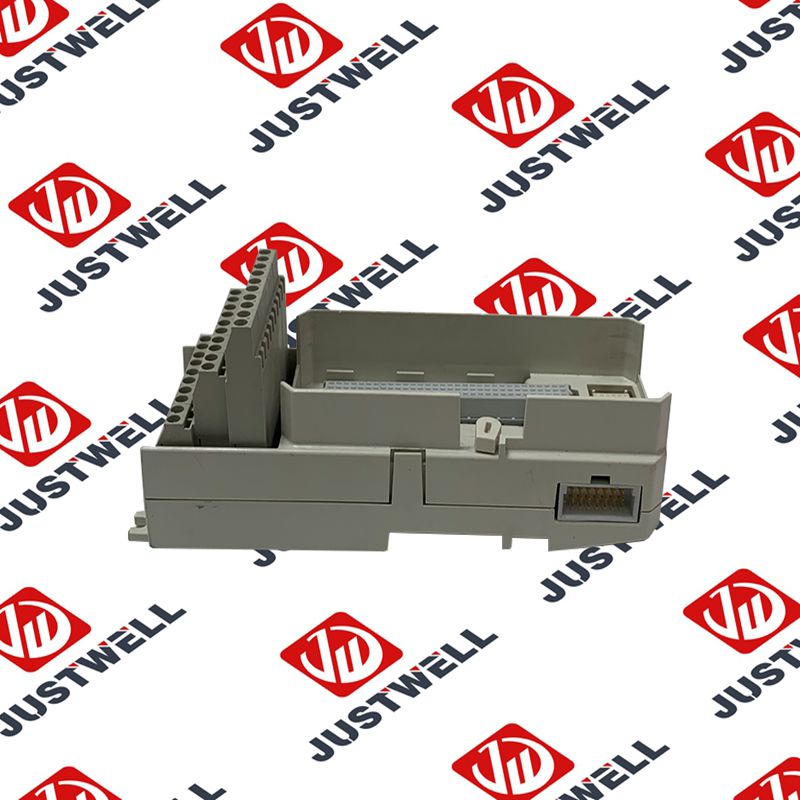
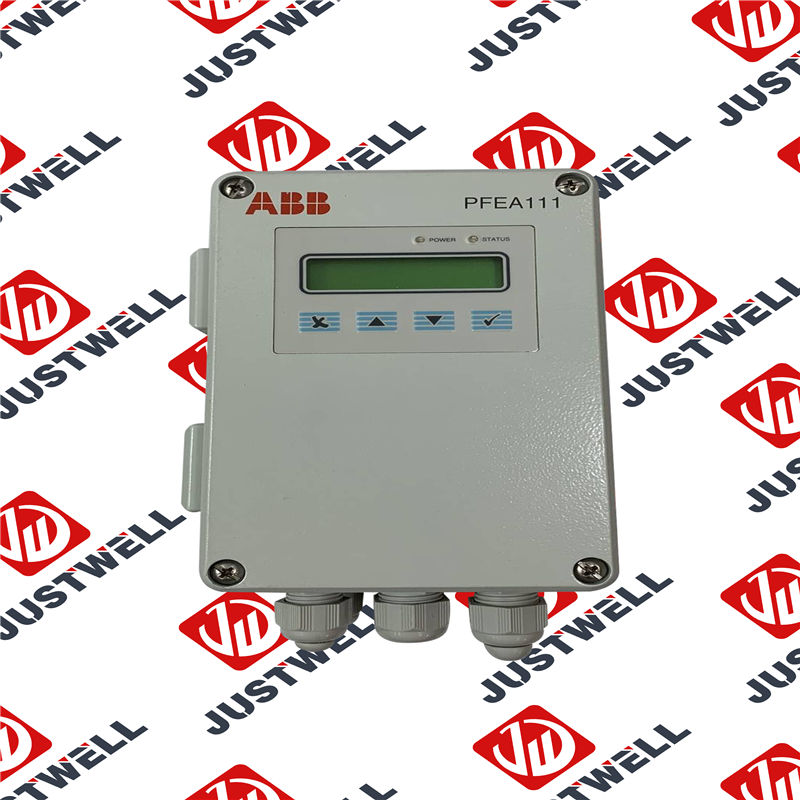
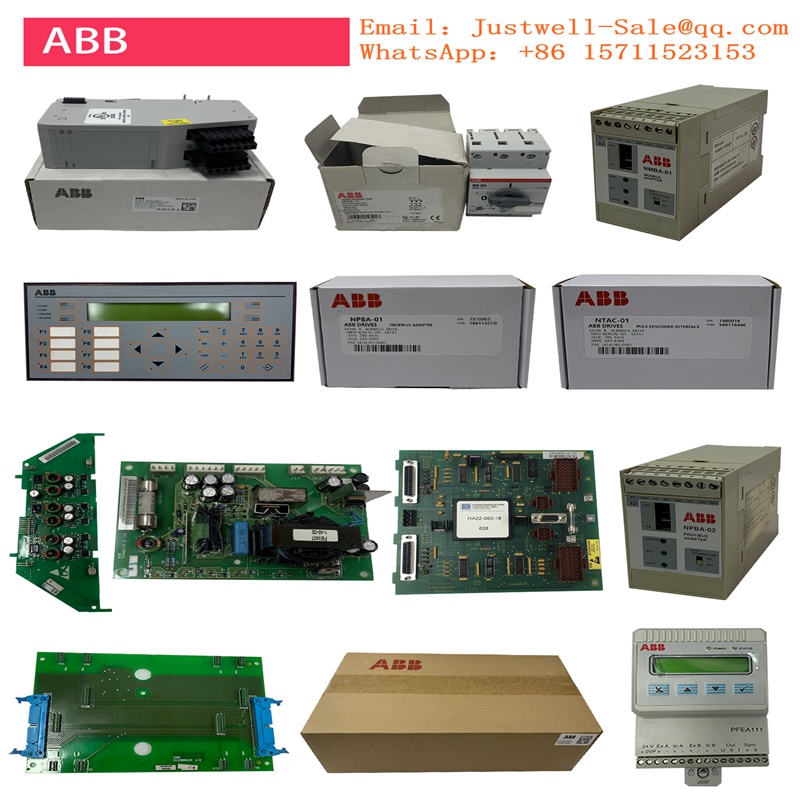
ACS880-01-072A-3+K454 ABB Output module
Product Dimensions:
Product Description
An ABB Simulation Output Module is a specialized diagnostic and commissioning tool used to emulate real-world field signals within a control system environment. Unlike standard output modules that drive physical actuators, a simulation module is designed to replicate the electrical behavior of various devices for testing and verification purposes. It allows engineers to validate control logic, safety interlocks, and communication health without connecting to actual machinery. This module acts as a “virtual load,” providing feedback to the processor to confirm that command sequences are executing correctly before the system goes live.
Product Parameters
The technical parameters of a simulation module focus on its ability to mimic diverse signal environments:
- Emulation Modes: Capability to simulate both discrete (on/off) and analog (proportional) output signals.
- Signal Range: Support for standard industrial levels such as 24V DC for digital or 4-20mA and 0-10V for analog.
- Response Time: Adjustable internal processing speeds to match the latency of specific physical actuators.
- Internal Resistance: Programmable impedance settings to simulate the electrical load of various field devices.
- Diagnostic Feedback: Integrated capability to report “loop complete” status to the central processor.
- Power Source: Typically powered directly from the system backplane or an external 24V DC supply.
Product Advantages
The primary value of a simulation module lies in risk mitigation and engineering efficiency. Key advantages include:
- Risk-Free Testing: Allows for the full execution of control logic without the danger of damaging expensive mechanical equipment or causing process spills.
- Accelerated Commissioning: Enables software debugging and operator training to occur in parallel with mechanical installation, significantly shortening project timelines.
- Fault Injection: Permits the deliberate simulation of error conditions—such as wire breaks or over-range values—to test the robustness of system alarms and safety shutdowns.
- Hardware Independence: Validates the controller’s backplane and bus communication even when the final field wiring is not yet complete.
- Reduced Energy Consumption: Testing with simulation modules consumes significantly less power than cycling high-wattage industrial motors and heaters.
Precautions
To ensure effective simulation and avoid system confusion, the following precautions are required:
- Mode Identification: Ensure the module is clearly labeled or logically identified within the software to prevent mistaking simulated signals for real field data.
- Transition Planning: Establish a strict protocol for swapping simulation modules with functional output modules before moving from “Test” to “Production” mode.
- Logic Consistency: Verify that the simulation parameters accurately reflect the physical characteristics of the intended final equipment to avoid false positives during testing.
- Isolation: When using simulation modules in a live environment, ensure they are electrically isolated from actual process loops to prevent unintended interference.
- Firmware Alignment: Ensure the simulation hardware is compatible with the specific version of the engineering workstation and controller firmware.
Product Applications
Simulation output modules are essential in high-stakes environments where uptime and safety are paramount. Common applications include:
- Factory Acceptance Testing (FAT): Proving the functionality of a complete control cabinet to the end-user before it leaves the assembly floor.
- Operator Training Systems (OTS): Providing a realistic control environment for plant operators to practice startups, shutdowns, and emergency procedures.
- Logic Validation: Testing complex PID loops and sequential function charts in chemical or power plant architectures.
- Research and Development: Prototyping new automation strategies and measuring system response without physical infrastructure.
- Maintenance Troubleshooting: Isolating whether a perceived fault lies within the controller software or the external field wiring and actuators.
Shipping Port: Xiamen, China
Payment: Bank of Chicago, Bank of Singapore
Express cooperation: fedex, DHL, UPS and your express account
Service: Professional Sales provides 24 hours /7 days online service
Please make an inquiry for more models:
| SD834 | ABB | EI813F | ABB |
| CI810B | ABB | AM801F | ABB |
| TB810 | ABB | SD812F | ABB |
| TK811V050 | ABB | AM811F | ABB |
| TB842 | ABB | TK802F | ABB |
| TB40A | ABB | PM803F | ABB |
| AO845A | ABB | FI820F | ABB |
| AO801 | ABB | FI810F | ABB |
| DI801 | ABB | EI803F | ABB |
| DO801 | ABB | SA801F | ABB |
| DI811 | ABB | SA811F | ABB |
| AI810 | ABB | SB808F | ABB |
| AI830A | ABB | FI830F | ABB |
| DP840 | ABB | SD802F | ABB |
| AO845A | ABB | AM895F | ABB |
| AI835A | ABB | SY809F | ABB |
| DO810 | ABB | EI812F | ABB |
| TB820V2 | ABB | EI811F | ABB |
| AO810V2 | ABB | RLM01 | ABB |
| AI820 | ABB | PM902F | ABB |
| DI821 | ABB | CI930F | ABB |
| AO820 | ABB | CP430B | ABB |
| DO802 | ABB | CP430T | ABB |
| CI801 | ABB | CP450T | ABB |
| DI810 | ABB | CP450T-ETH | ABB |
| AI845 | ABB | CP620 | ABB |
| AI801 | ABB | 07KT95 | ABB |
| DI803 | ABB | 07CR41 | ABB |
| DI802 | ABB | 07DC92 | ABB |
| TB40A | ABB | 07DI92 | ABB |
| CI840A | ABB | XI16E1 | ABB |
| TB825 | ABB | 07KP53 | ABB |
| BC810K02 | ABB | 07AI91 | ABB |
| PM866K02 | ABB | 3BSE018168R1 | ABB |
| PM861AK02 | ABB | 07KT98 | ABB |
| TB852 | ABB | 1SAP520100R0001 | ABB |
| PM851AK01 | ABB | GJR5252800R0100 | ABB |