
 Phone:
  Email:
  WhatsApp:
 Description
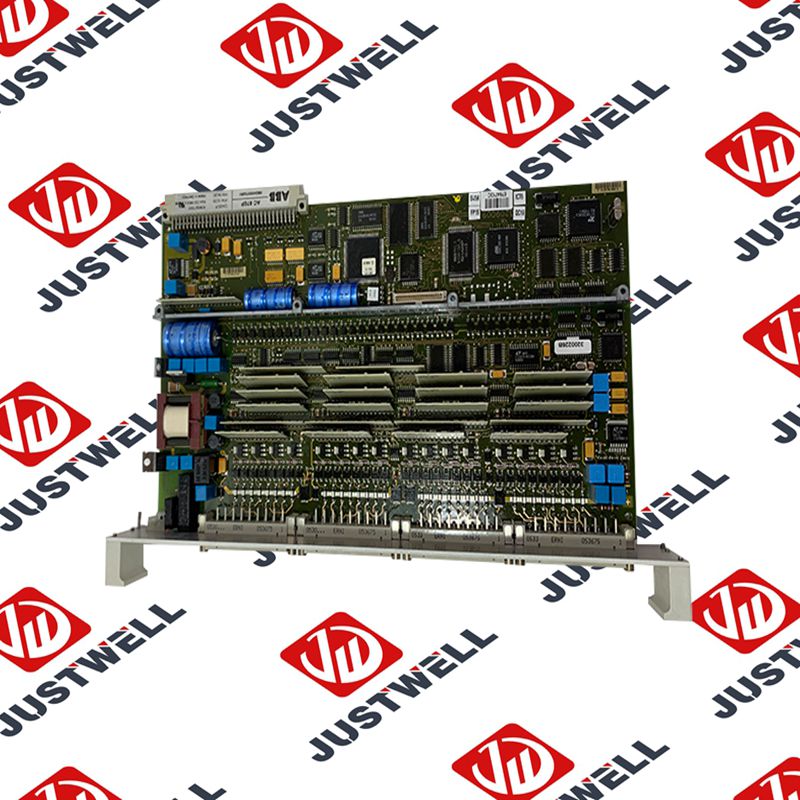
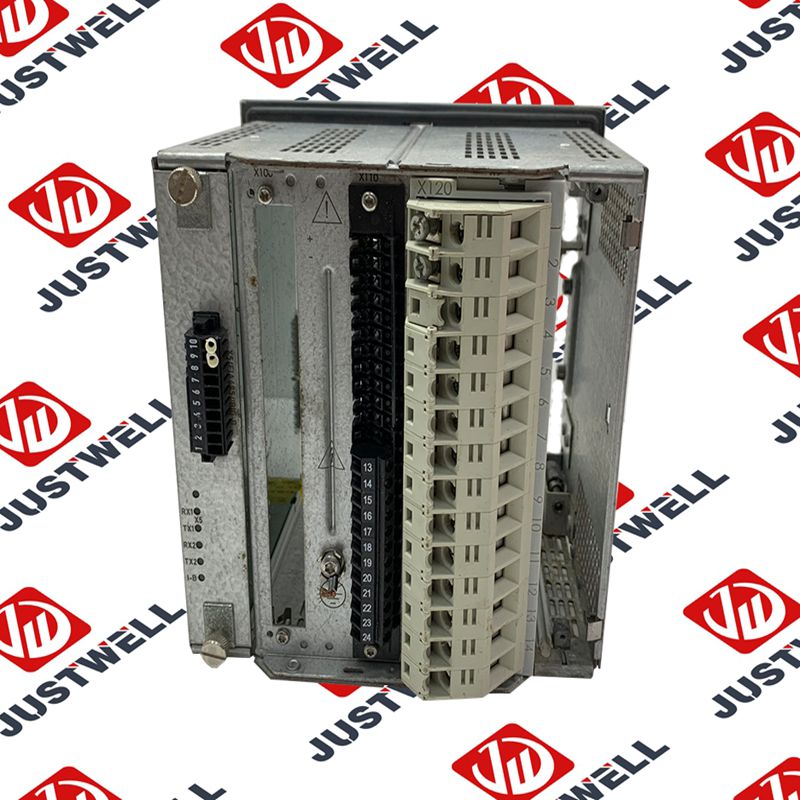
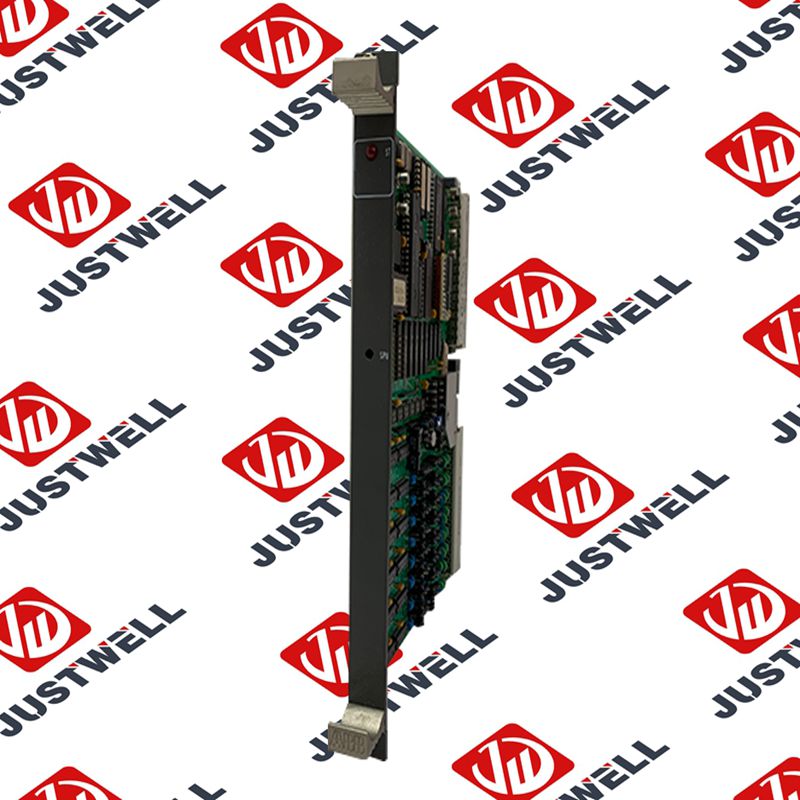
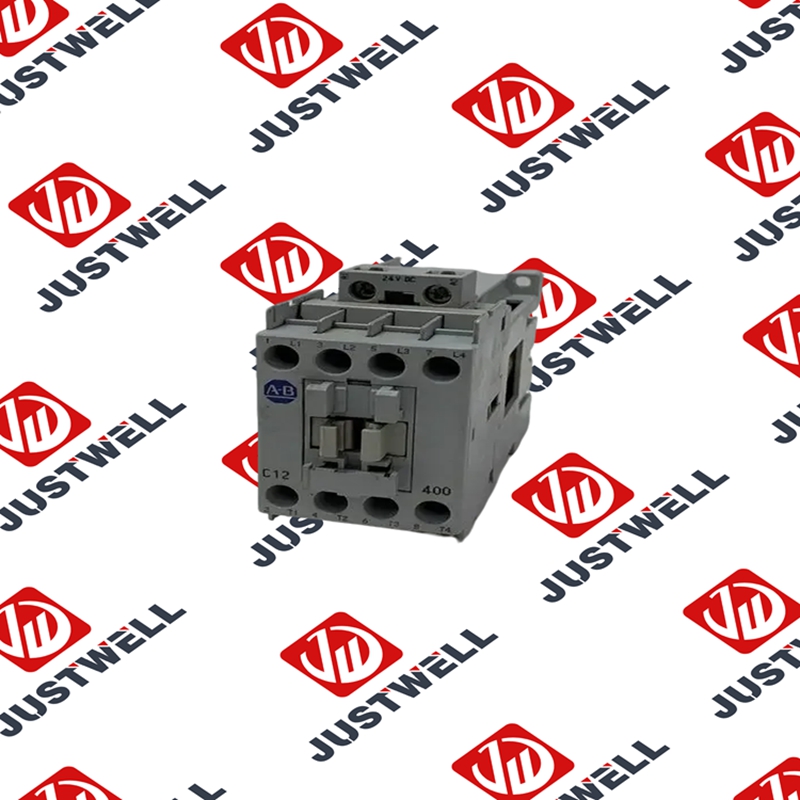
LLT100 ABB Simulation output module
Product Dimensions:
Product Description
The simulation output module allows engineers to verify that the control system’s logic and internal processes function correctly by providing “mock” outputs.
- Function: Simulates the electrical output characteristics of standard modules, enabling the controller to “see” and “execute” outputs in a safe, controlled environment.
- Architecture: Designed to interface directly with the controller’s backplane or communication bus, mimicking the response times and electrical signatures of real-world modules.
- Operational Mode: Can be operated in a “manual” mode (where an engineer forces values) or a “programmed” mode (where it responds to the controller’s logic during an automated test sequence).
- Isolation: Built with internal protection to prevent feedback issues when connected to the controller, ensuring that testing does not interfere with other active system components.
Product Parameters
Simulation modules are defined by their ability to accurately replicate the electrical parameters of the hardware they are replacing for the test:
| Parameter | Description |
| Emulated Signal Types | Voltage, current, or binary (on/off) signals replicating real hardware. |
| Logic Compatibility | Full compatibility with the host controller’s software and I/O mapping. |
| Signal Precision | Accuracy of the simulated electrical levels compared to actual output modules. |
| Communication Speed | Matching the refresh rate/scan time of the controller’s actual I/O modules. |
| Isolation | Electrical isolation between the controller backplane and the simulation circuitry. |
| User Interface | On-board switches, dials, or software-based interface for manually setting values. |
| Environmental Rating | Designed for safe operation in test and lab environments. |
Product Advantages
- Risk Mitigation: Allows for thorough testing of control logic, sequences, and interlocks without the risk of damaging expensive field equipment or causing mechanical harm.
- Accelerated Commissioning: Enables testing of complex software and logic before the physical field wiring is completed, significantly reducing time spent on-site.
- Fault Injection Testing: Engineers can deliberately simulate failure conditions—such as open circuits or short circuits—to verify that the control system responds safely and as intended.
- Cost-Efficiency: Eliminates the need for “dead-loading” or running actual machinery during the development phase, saving on energy and mechanical wear.
- Safe Debugging: Provides a secure environment to isolate software bugs from hardware integration issues during the integration phase.
Precautions
- Clear Identification: Always clearly label systems under test to ensure that the simulation module is not mistaken for a production-active module during live operations.
- Logical Separation: Ensure that the control logic being tested is strictly isolated from any peripheral devices that could be triggered accidentally.
- Configuration Sync: Always confirm that the hardware configuration in the controller software matches the simulation module’s settings, or the system may generate communication errors.
- Voltage/Current Hazards: Even though the module is for simulation, it may still be powered by the system bus; follow all standard electrical safety protocols.
- Final Removal: Ensure that simulation modules are removed and replaced with production-grade hardware before the final “go-live” of the automated process.
- Safety Protocol: If the test involves safety-related control logic, ensure that simulation does not override established safety interlocks in a way that violates facility safety policies.
Product Applications
Simulation output modules are essential tools in the industrial automation development lifecycle:
- Logic Verification: Testing complex control programs and sequencing algorithms to ensure they perform according to the process specifications.
- FAT/SAT Support: Utilized during Factory Acceptance Tests and Site Acceptance Tests to validate system functionality before process startup.
- System Integration Testing: Ensuring that the controller correctly coordinates multiple subsystems and communication nodes without needing physical process loops.
- Training and Education: Providing a safe, non-destructive way to train personnel on how the controller reacts to specific process inputs and operator commands.
- Troubleshooting: Isolating whether a problem is located within the controller’s logic or the physical field wiring by substituting the real hardware with the simulator.
Shipping Port: Xiamen, China
Payment: Bank of Chicago, Bank of Singapore
Express cooperation: fedex, DHL, UPS and your express account
Service: Professional Sales provides 24 hours /7 days online service
Please make an inquiry for more models:
| SD834 | ABB | EI813F | ABB |
| CI810B | ABB | AM801F | ABB |
| TB810 | ABB | SD812F | ABB |
| TK811V050 | ABB | AM811F | ABB |
| TB842 | ABB | TK802F | ABB |
| TB40A | ABB | PM803F | ABB |
| AO845A | ABB | FI820F | ABB |
| AO801 | ABB | FI810F | ABB |
| DI801 | ABB | EI803F | ABB |
| DO801 | ABB | SA801F | ABB |
| DI811 | ABB | SA811F | ABB |
| AI810 | ABB | SB808F | ABB |
| AI830A | ABB | FI830F | ABB |
| DP840 | ABB | SD802F | ABB |
| AO845A | ABB | AM895F | ABB |
| AI835A | ABB | SY809F | ABB |
| DO810 | ABB | EI812F | ABB |
| TB820V2 | ABB | EI811F | ABB |
| AO810V2 | ABB | RLM01 | ABB |
| AI820 | ABB | PM902F | ABB |
| DI821 | ABB | CI930F | ABB |
| AO820 | ABB | CP430B | ABB |
| DO802 | ABB | CP430T | ABB |
| CI801 | ABB | CP450T | ABB |
| DI810 | ABB | CP450T-ETH | ABB |
| AI845 | ABB | CP620 | ABB |
| AI801 | ABB | 07KT95 | ABB |
| DI803 | ABB | 07CR41 | ABB |
| DI802 | ABB | 07DC92 | ABB |
| TB40A | ABB | 07DI92 | ABB |
| CI840A | ABB | XI16E1 | ABB |
| TB825 | ABB | 07KP53 | ABB |
| BC810K02 | ABB | 07AI91 | ABB |
| PM866K02 | ABB | 3BSE018168R1 | ABB |
| PM861AK02 | ABB | 07KT98 | ABB |
| TB852 | ABB | 1SAP520100R0001 | ABB |
| PM851AK01 | ABB | GJR5252800R0100 | ABB |